The Story of the Flower House
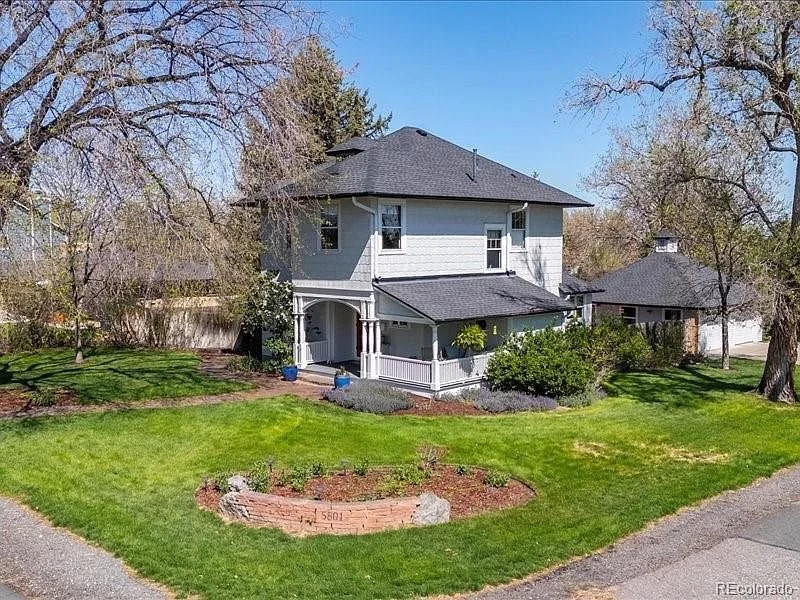
As we’ve met our neighbors, it’s become clear that our home has a life of its own. Everyone seems to have a story about it—some remember the “old witch” who supposedly lived here, others tell us it’s their favorite house in the neighborhood, and a few recall playing in the greenhouses that once stood on the surrounding lots when they were kids. The more stories we heard, the more we realized that this house isn’t just old—it’s deeply woven into the fabric of Wheat Ridge.
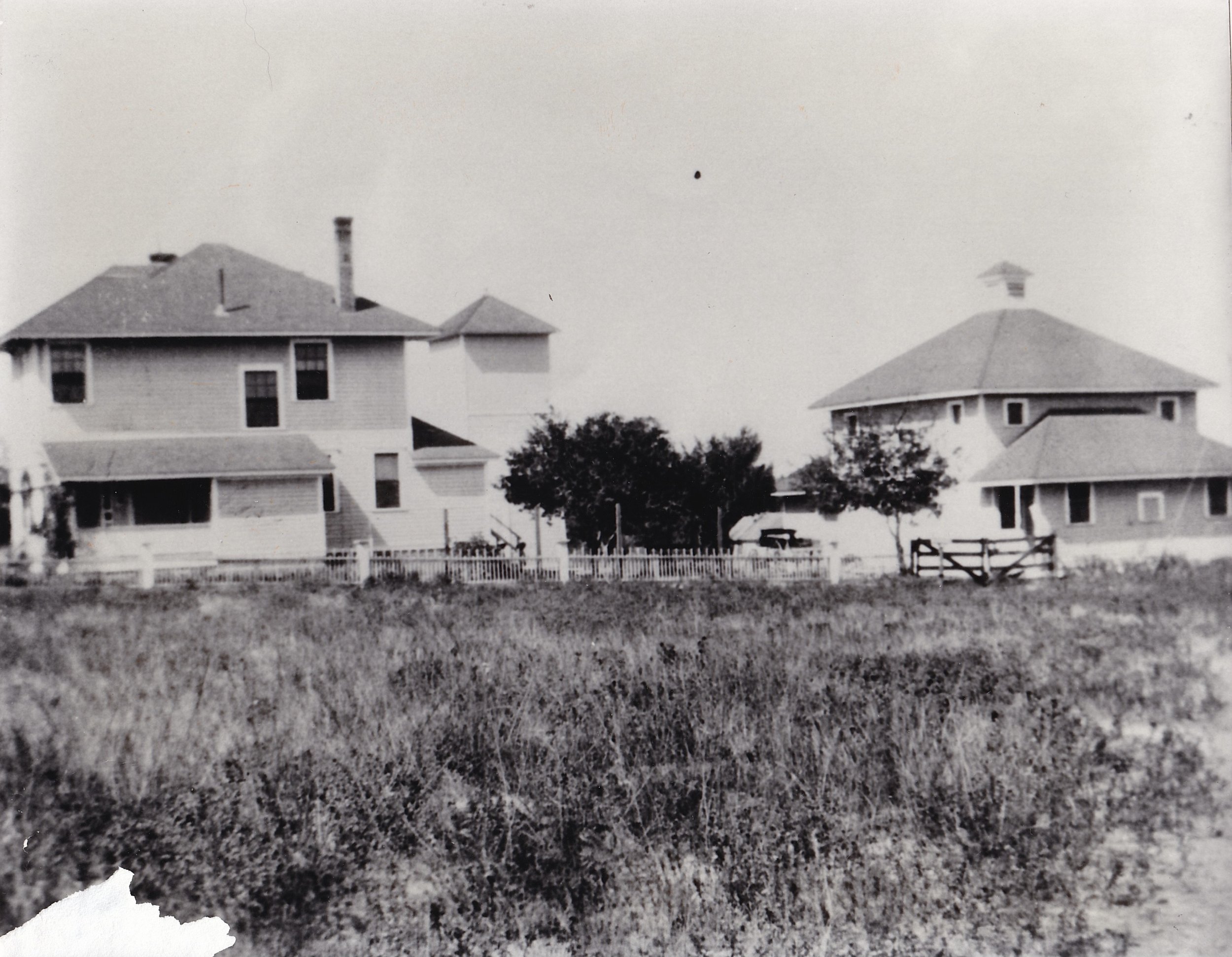
Built in 1907 by Henry and Marguerite “Peg” Weiland, the home originally sat on more than forty acres of land. The Weiland family came from a long line of floral growers in Evanston, Illinois, and they brought that legacy with them to Colorado. Here, they planted orchards, tended vegetable gardens, and built greenhouses that became part of the early horticultural heartbeat of the area. Wheat Ridge itself would later gain national recognition as the “Carnation Capital of the World,” famous for its growers, its sunshine, and even its tradition of sending weekly carnation bouquets to the White House. The Weiland property and others like it helped shape that identity—an agricultural and floral heritage that still lingers in the stories neighbors share with us today.
As time passed, the land was gradually sold off, and the house changed hands through several families, each adding a chapter but never quite erasing the spirit of the place. What was once a sprawling floral operation is now a walkable, friendly neighborhood, and our home sits directly across from Panorama Park—a beloved local space where people gather to walk dogs, play sports, and look out at the mountains that give the park its name. To us, that feels fitting: the house that once anchored acres of greenhouses and gardens now watches over a communal green space that brings neighbors together every day.
When we moved in, it didn’t take long for us to fall in love with this storybook house. We’ve poured ourselves into taking care of it—not because it needs to be modernized, but because it deserves to be preserved, tended, and loved the way the families before us tended to their flowers and land. Many evenings and weekends have already been spent repairing, restoring, and learning the quirks of a 118-year-old home. It has quickly become the place where we clock in for our “five-to-nine” after our nine-to-five, driven by the belief that homes like this are worth the effort.
As we imagine the life we’ll build here, with holiday dinners, new traditions, backyard gatherings, and the everyday moments that make a house a home, we feel a responsibility to honor both the past and the future of the place we now call the Flower House. Instead of a traditional registry, we’re focusing on continuing the work ourselves: restoring, preserving, and adding to this home with the same hands-on care that first built it over a century ago. If you’d like to contribute to our home fund, your support will help us continue nurturing this special place so it can keep being a cornerstone of the neighborhood—and our lives—for years to come.
Thank you for helping us write the next chapter in the Flower House’s long, blooming story.